what foods to avoid with diverticular disease 11 foods that make diverticulitis worse
A diverticulitis diet is a dietary plan that aims to reduce the symptoms and prevent the inflammation of diverticula, which are small pouches that can form in the lining of the digestive system, primarily in the colon. This condition, known as diverticulosis, is quite common, especially in older adults. While not everyone with diverticulosis will experience symptoms, some individuals may develop diverticulitis, which occurs when the pouches become inflamed or infected.
Following a Diverticulitis Diet:
When diagnosed with diverticulosis, healthcare professionals often recommend following a diverticulitis diet to reduce the risk of developing diverticulitis and managing any symptoms that may arise. The primary goal of this diet is to provide a healthy balance of nutrients while avoiding foods that could potentially irritate or block the diverticula.
 One resource that can be helpful when considering a diverticulitis diet is the book “Diverticulitis Diet” by Stephanie Ridd. This book provides insights and guidance on how to best manage diverticulosis through dietary choices. It offers recipes, meal plans, and tips for incorporating a variety of foods while keeping symptoms in check.
Developing a diet plan for diverticulitis typically involves increasing the intake of fiber slowly to prevent gas, bloating, and discomfort. Initially, a low-fiber diet may be recommended during an acute flare-up or until symptoms subside. This diet plan may consist of easily digestible foods such as cooked fruits and vegetables, tender meats, white bread, and low-fiber cereals. However, it is crucial to gradually reintroduce fiber-rich foods once symptoms improve to help prevent future flare-ups.
Avoiding certain foods is also essential when following a diverticulitis diet. Foods that are often recommended to limit or avoid include processed foods, red meat, fried foods, spicy foods, nuts, seeds, and popcorn. These foods have the potential to irritate or block the diverticula, leading to inflammation or infection.
Healthy Choices for a Diverticulitis Diet:
When planning meals for a diverticulitis diet, it is important to focus on nutritious foods that are gentle on the digestive system. Here are some healthy choices:
- Whole grains: Opt for whole grain bread, pasta, and cereals that are low in added sugars and high in fiber. These can help regulate bowel movements and contribute to overall digestive health. - Fruits and vegetables: Fresh or cooked fruits and vegetables are excellent sources of fiber, vitamins, and minerals. Aim for a variety of colors to ensure a wide range of nutrients. - Lean protein: Choose lean meats such as poultry, fish, and tofu as primary sources of protein. These options are easier to digest than fatty cuts of meat. - Dairy products: Low-fat dairy products can be included in moderation. They provide calcium, vitamin D, and protein. However, if lactose intolerance is a concern, alternative options like lactose-free milk or plant-based milk can be considered. - Healthy fats: Incorporate sources of healthy fats like avocados, olive oil, and nuts in small quantities. These fats are beneficial for overall health and can promote a healthy digestive system. - Plenty of fluids: Staying hydrated is important for maintaining healthy digestion. Aim to drink sufficient water throughout the day, and consider herbal teas or clear broths as well.
 Furthermore, another resource that can provide valuable information about diverticulitis diet and recipes is a website called “Calming Blends.” The website offers various recipes that are specifically designed for individuals with diverticulosis or diverticulitis. These recipes focus on using ingredients known for their calming effects on the digestive system.
Above all, it is important to remember that there is no one-size-fits-all approach to a diverticulitis diet. Consulting with a healthcare professional or a registered dietitian can help create a personalized plan that suits an individual’s specific needs. They can provide guidance and make adjustments based on individual symptoms, overall health, and dietary preferences.
By following a diverticulitis diet and making healthy food choices, individuals can effectively manage their symptoms and reduce the risk of developing further complications related to diverticular disease. Incorporating a variety of fiber-rich foods, staying hydrated, and avoiding potentially irritating foods are key steps towards maintaining a healthy digestive system.
If you are looking for Diverticulitis Diet and Recipes - Calming Blends in 2020 you’ve visit to the right place. We have 5 Pics about Diverticulitis Diet and Recipes - Calming Blends in 2020 like Pooping Blood? Here are Some Common Causes of Blood in Stool | Page 6, Diverticulitis Diet by Stephanie Ridd · OverDrive: ebooks, audiobooks and also 11 Foods That Make Diverticulitis Worse | Healthy Optimum. Read more:
Diverticulitis Diet And Recipes - Calming Blends In 2020
www.pinterest.comdiverticulitis diets diverticular
11 Foods That Make Diverticulitis Worse | Healthy Optimum
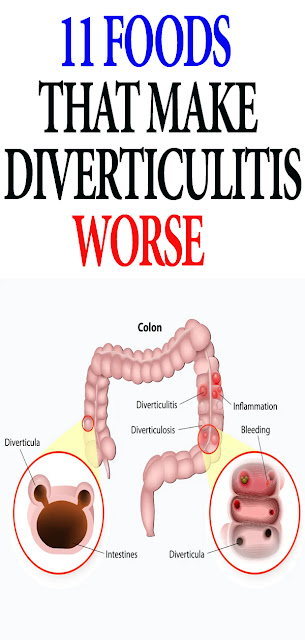 healthy-optimum.blogspot.comdiverticulitis diverticular diverticulosis worse prevalence cause
Diverticulitis Diet By Stephanie Ridd · OverDrive: Ebooks, Audiobooks
www.overdrive.comdiverticulitis diet ridd stephanie pain foods ultimate guide sample read
Pooping Blood? Here Are Some Common Causes Of Blood In Stool | Page 6
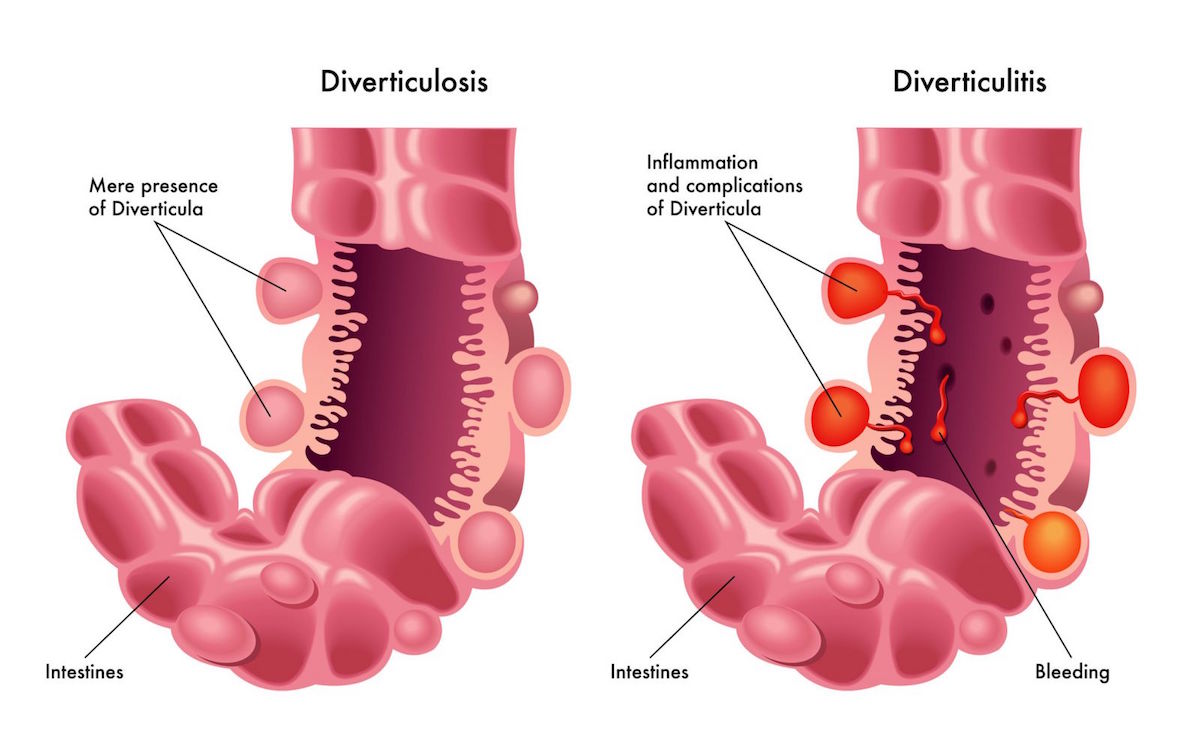 thingshealth.comblood stool causes common
Pin On Crohns Disease
 www.pinterest.comdiverticulitis avoid fiber diverticula findatopdoc dieet disease treatment colon diagnosis banana gastritis
Blood stool causes common. Diverticulitis diet by stephanie ridd · overdrive: ebooks, audiobooks. Pooping blood? here are some common causes of blood in stool